Electrical Insulation Classes: Protection against indirect contact

In addition to protecting the enclosure against water, dust (IP rating), and impacts (IK rating), a lighting fixture must prevent the risk of electric shock to the user—especially in outdoor environments or conditions with high humidity. The CEI EN 60598-1 standard classifies fixtures based on the safety measures implemented for electrical insulation against indirect contact.

There are three insulation classes most commonly used in architectural and outdoor lighting, each identified by a specific symbol shown on the label:

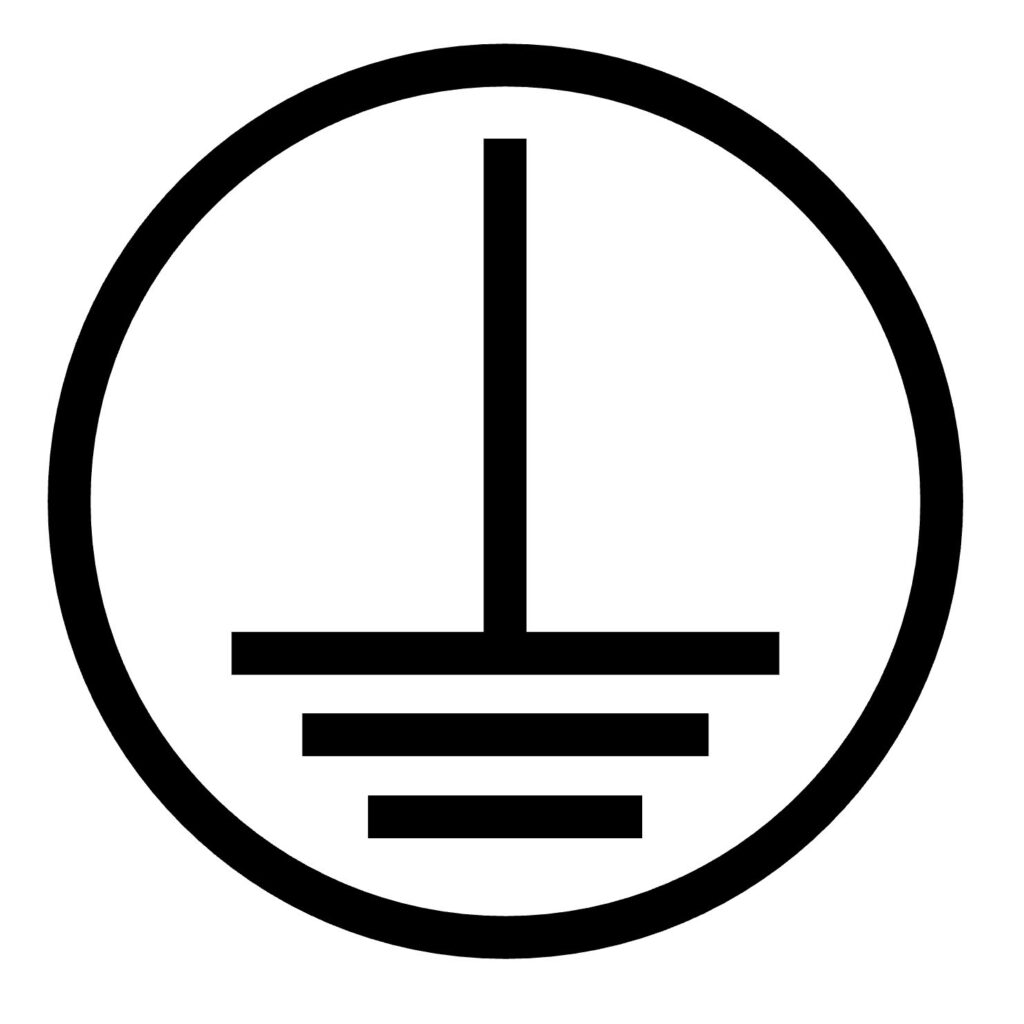
Class I (Basic insulation + Earthing)

In Class I appliances, safety is entrusted to the main insulation and the mandatory connection to the earthing of the electrical system. All accessible metal parts of the appliance, which could become live in the event of a fault, are connected to the earth conductor. If the insulation fails, the current is discharged to the ground, causing the upstream residual current circuit breakers to trip.

  • Symbol: A circle with the earth symbol inside (three horizontal lines).

  • Typical application: Standard metal appliances where the installation has a reliable earthing system.

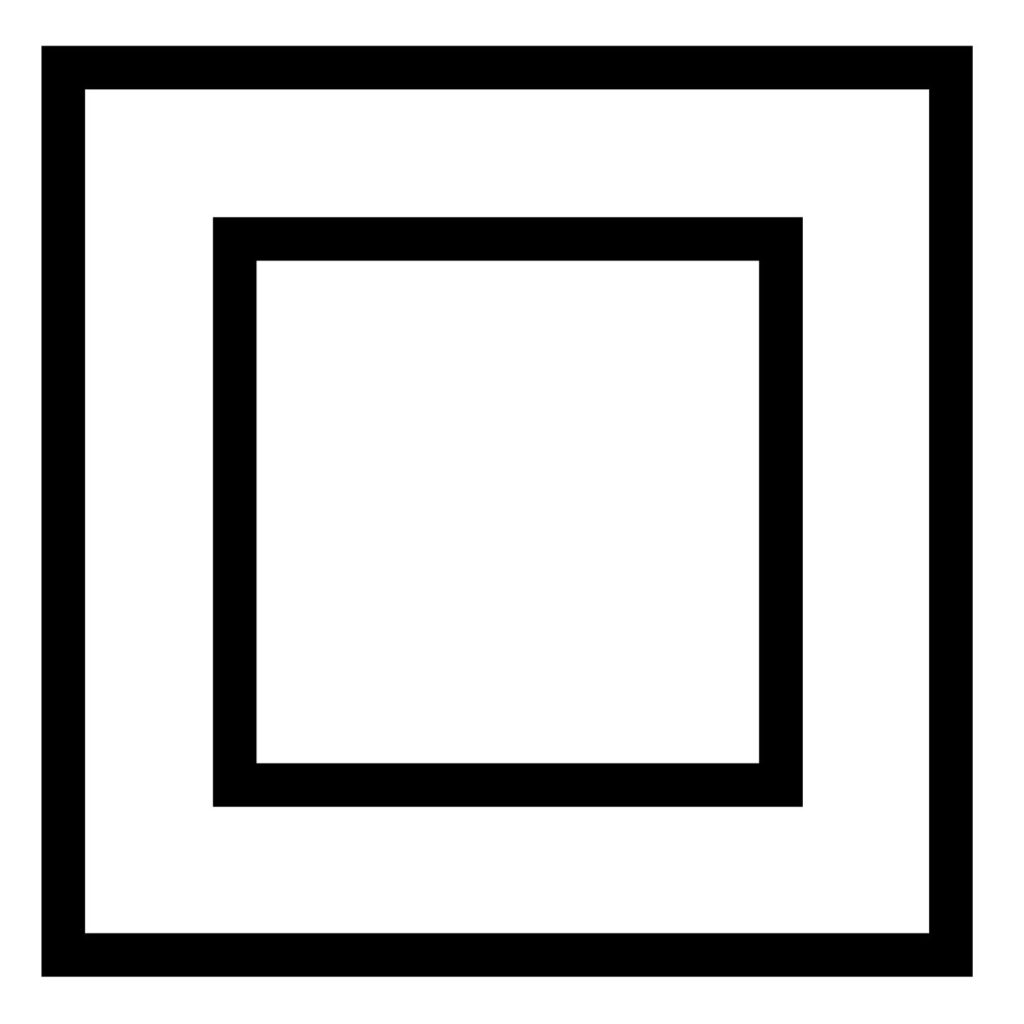
Class II (Double Insulation)

Class II appliances are designed so that they do not require a ground connection. Safety is ensured by double insulation or reinforced insulation covering the live parts. Even in the event of a failure of the primary insulation, the user remains protected by a second insulating layer.

  • Symbol: Two concentric squares (one inside the other).

  • Typical application: Widely used in outdoor, public, and street lighting. The absence of a ground connection eliminates issues related to leakage currents or galvanic corrosion in demanding environments.

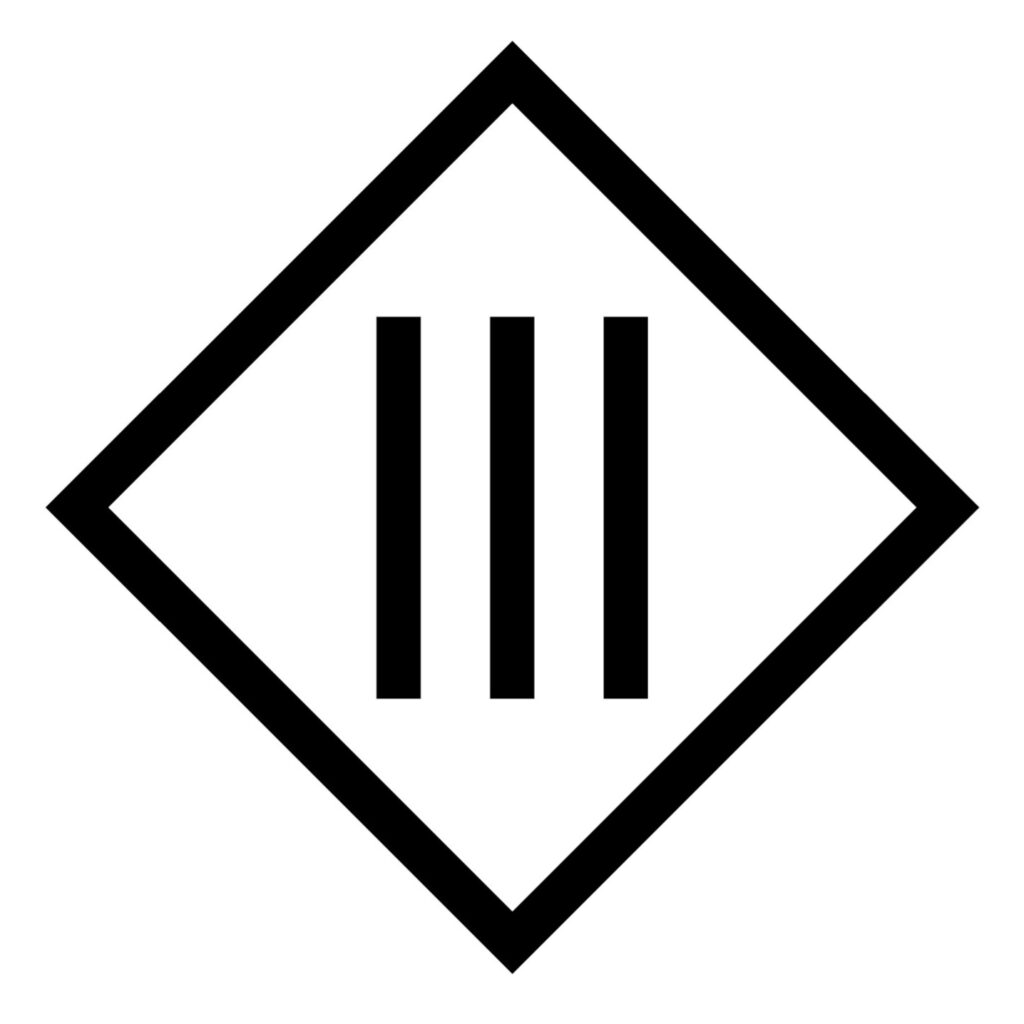
Class III (Safety Extra-Low Voltage – SELV)

Class III represents the highest level of protection against electric shock. Safety is ensured by a Safety Extra-Low Voltage (SELV) power supply—less than 50V AC or 120V DC. Since this voltage is considered non-hazardous to the human body, grounding is not required, and additional protective insulation is not mandatory.

  • Symbol: A rhombus containing three vertical stripes.

  • Typical application: Fixtures installed in critical environments such as swimming pools (where regulations mandate the use of SELV with remote power supplies), fountains, small path lights, or ground-recessed lights subject to flooding (often combined with an IP67/IP68 ingress protection rating).

A summary for design: IP, IK, and Insulation Class form the technical “triad” for the safety of a lighting fixture. Considering these three parameters together (e.g., IP66, IK10, Class II fixture) enables designers and installers to select solutions that are not only high-performing in terms of lighting technology, but also structurally safe, durable, and fully compliant with European directives.